
How to Target Your Ads in Current Times and the Changes That Have Occurred
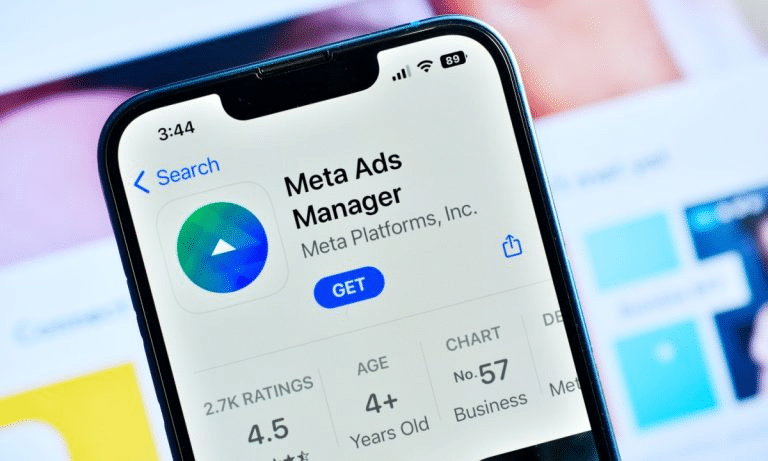
In the midst of a rapidly changing digital landscape, ad targeting on Meta platforms has become a complex and essential field for successful online marketing. The innovations and changes that took place between 2021 and 2023 have challenged advertising agencies and advertisers to adapt, exploring new tools and strategies to reach and engage their audiences effectively. The rise of artificial intelligence has transformed ad creation and targeting, making it more intuitive but also more competitive. In this context, standing out in the saturated ad market requires an in-depth understanding of emerging trends, as well as a capacity for constant innovation and adaptation.
LinkedIn Analytics: 6 Essential Metrics to Boost Your Performance

LinkedIn Analytics has emerged as an indispensable tool for individuals and companies looking to maximize their presence on the platform by turning data into strategic insights. By monitoring metrics such as visitors, followers, impressions, demographics, posts and engagement, users can gain a comprehensive understanding of the performance of their content and interactions on the network. This detailed analysis not only highlights areas of success, but also reveals opportunities for improvement, allowing for the continuous optimization of strategies to better align with networking and business objectives, thus increasing visibility, reach and impact in the professional community.
Quantitative vs. Qualitative Marketing: The Balance between Data and Intuition in Modern Marketing

In the modern marketing world, the duality between Quantitative Marketing and Qualitative Marketing stands out as essential pillars for understanding and effectively engaging with consumers. Quantitative Marketing, based on data, statistical analysis and concrete metrics, gives brands the ability to measure the impact of their campaigns, validate hypotheses and optimize strategies based on numbers. On the other hand, Qualitative Marketing delves into the depths of human emotions and perceptions, seeking to understand consumers' motivations and feelings in order to create authentic connections and establish more empathetic communication. The balance between these two approaches is crucial, allowing brands not only to reach their audiences efficiently, but also to build meaningful and lasting relationships.
The Rise of Neuromarketing: A Journey Through the Mind of the Consumer

Exploring the mind of the consumer is a fascinating and revealing journey, especially when accompanied by the lens of neuromarketing. This emerging field combines neuroscience principles with marketing strategies to decipher the cognitive and emotional processes that drive purchasing decisions. From capturing attention and forming first impressions to creating deep emotional connections and lasting memories, neuromarketing plays a crucial role. It provides insights into how to turn these impressions and emotions into concrete actions, promoting not only the purchase decision, but also fostering loyalty and post-purchase satisfaction. Understanding this intricate journey not only enhances the effectiveness of marketing strategies, but also strengthens the connection between brands and consumers, paving the way for more engaging experiences and lasting relationships.
The Psychology of Colors in Marketing: How Colors Influence Purchasing Decisions

Color psychology is a study that analyzes the influence of tones on human behavior and emotions, and is crucial in marketing to communicate and persuade effectively. From biological responses, such as red which stimulates appetite, to cultural associations which vary globally, colors evoke specific emotions, such as yellow which is often associated with happiness. Knowing them in depth allows us to create more impactful visual messages, guiding purchasing decisions and strengthening the connection between brands and consumers.
The Power of Storytelling: How to Create Engaging Narratives to Connect Your Brand to Consumers

The power of storytelling lies in a brand's ability to create genuine connections with its audience. To develop impactful narratives, it is essential to understand the audience, maintain authenticity, have a clear narrative structure, evoke emotions, combine words with visual elements, ensure consistency in communication and avoid jargon. A well-crafted narrative not only informs, but also involves and inspires, establishing a deep and lasting relationship with consumers.
How to create a broadcast channel on Instagram

Broadcast channels are a valuable addition to any brand's digital marketing arsenal on Instagram. With the right planning and execution, they can be the key to establishing a deep and rewarding connection with your audience. So start using broadcast channels today and watch your Instagram marketing strategy reach new heights!
Challenges and Opportunities of Omnichannel Marketing: How to Effectively Integrate Multiple Communication Channels

Omnichannel marketing refers to an integrated strategy that seeks to offer a cohesive user experience across all channels and touchpoints. It is distinguished from multichannel marketing by its focus on the seamless connection and integration of all channels, ensuring a smooth transition for the customer. This approach gives companies a complete view of customer behavior, improving the overall user experience and increasing customer retention. In practice, it enables interactions such as the seamless transition between online and offline purchases. In essence, Omnichannel Marketing puts the customer at the epicentre of all strategies, recognizing the needs of the modern consumer in the digital age.
Direct Traffic in Digital Marketing: Understanding and Maximizing its Potential

Direct traffic in digital marketing is an essential metric, denoting the number of users who visit a website intentionally, without the intermediation of search engines or external links. This form of traffic is indicative of brand recognition and loyalty, reflecting the effectiveness of branding strategies and the brand's penetration of the market. Its importance is multifold; it serves as a robust indicator of brand loyalty and awareness, boosts conversion rates and search engine rankings and acts as a competitive benchmark, allowing for the continuous optimization of marketing and branding strategies to maximize online visibility and authority.
Adapting to the Future with AI: Insights from Kristen O'Hara, Vice President of Brand and Agency Solutions at Google.

In this transformative scenario, Kristen O'Hara, Vice President of Brand and Agency Solutions at Google, highlights the disruptive rise of Artificial Intelligence (AI) as the third major paradigm shift, preceded by the internet and the smartphone revolution. AI, with its unlimited potential, is reshaping every aspect of marketing, from the conception to the implementation of strategies, offering unprecedented creative and efficient possibilities. O'Hara emphasizes the imperative for marketers to be bold, creative and curious, exploiting the vast and innovative capabilities of AI to connect more meaningfully with customers and constantly reinvent their business models in the context of a rapidly evolving technological environment.