If you haven't received this issue, sign up here
Reading time: 6 minutes
YOUR INSIGHTS OF THE WEEK
-
Makers CEO reveals behind the scenes of the community that connects the country's top marketing leaders. | BPool Podcast
-
Three barriers to innovation
-
How Artificial Intelligence is shaping the future of work
-
Worthy of Clicking: Market news to get ahead of the trends!

|
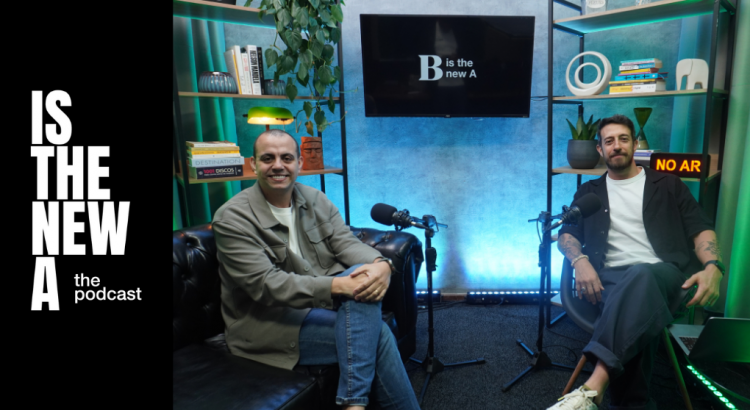
"Makers was born to be a safe environment for CMOs to exchange vulnerabilities." Makers CEO reveals behind the scenes of the community that connects the country's top marketing leaders. | BPool Podcast
The episode featured a conversation about vulnerability, leadership and the future of marketing, a space where performance gives way to passion and numbers rediscover their purpose. Here are some of the most memorable moments of the meeting: |
|
Davi Cury:
Thiego Goularte:
During the pandemic, Makers has consolidated itself as a space for support and collective intelligence. For two years, we held morning calls every day with CMOs from different sectors. Projects emerged from there that impacted the market, such as Ambev producing alcohol gel. It was living proof that collaboration moves the market."
Davi:
Thiego:
Davi:
Thiego:
Davi:
Thiego: |
And conversations like this are a reminder of why we started: to transform people and, consequently, the market.
Watch the full podcast between Thiego Goularte and Davi Cury, learn more about visions of community building and how it is redesigning the future of marketing.

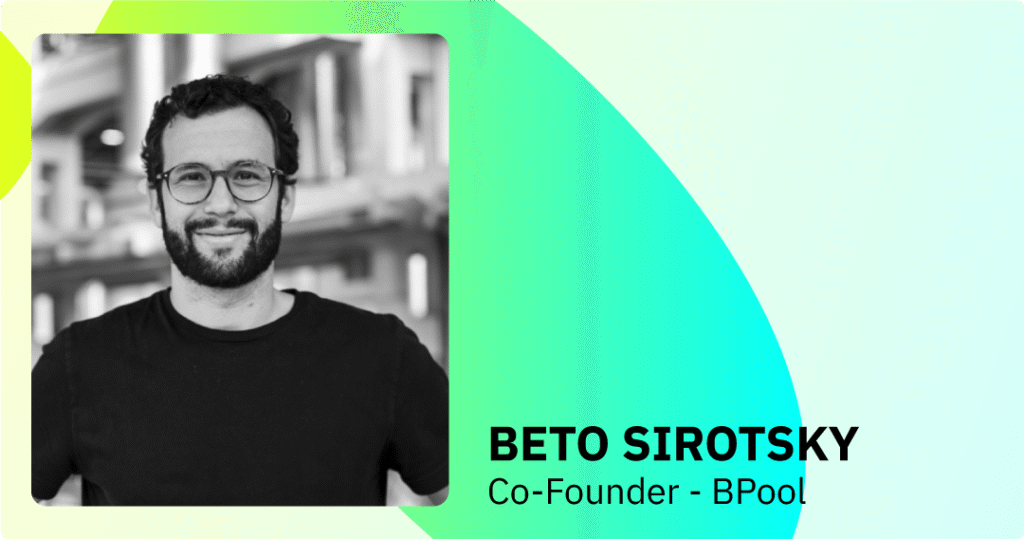
Three barriers to innovation
Over the last 20 years, innovation has been a constant priority for companies. The BCG report Most Innovative Companies 2025 - In Disruptive Times, the Resilient Win confirms this: even in the midst of global crises, most organizations have not stopped investing in innovation. Even so, one fact strikes me: between 2021 and 2024, the number of executives who saw their companies as leaders in innovation fell by 24 percentage points. And only 3% of companies were really prepared to turn ambition into impact.
In my experience, this chasm between intention and execution does not happen by chance. In practice, I see three barriers that freeze transformation within large organizations:
Firstly, profiles that are not very engaged, who settle into autopilot. People who do what they've always done, with no curiosity or openness to experiment.
Secondly, the culture of "it's always been like this". This mentality holds back movement and prevents reinvention. It's the kind of thinking that stifles new ideas before they are even born.
And thirdly, the talk of innovation that doesn't make it into practice, when the word "innovation" appears in presentations and reports, but doesn't translate into attitude, strategy or daily execution.
These three barriers explain why so many companies talk about innovation, but few actually live it. On the other hand, there are organizations that manage to turn innovation into a lever for growth. And not just for themselves, but for entire sectors. McKinsey shows that companies that create new categories, as AWS did with Amazon, don't compete for market share: they enlarge the pie.
To get to this point, we need to understand what it really means to innovate. As Martha Gabriel reminds us in her book Leading the Future, innovation is a continuous exercise in human focus, method and leadership. Creativity and technology only become innovation when they are governed by discipline and purpose.
Innovating takes work. It requires energy, self-denial and the courage to leave your comfort zone. But, as Jack Welch used to say, "change before you have to."
The cost of not changing will always be higher.
Through BPool, the marketing departments of large companies can connect to the new and vibrant ecosystem of communication, production and technology. All through a single contract and a single approval.


How Artificial Intelligence is shaping the future of work
The way we work is undergoing an unprecedented transformation. The time has come to rethink what we expect from technology and, to do so, to redefine expectations about what software can do for us as users. As Artificial Intelligence (AI) becomes integrated into company processes, a new era is dawning in which technology and people work hand in hand to drive efficiency, creativity and real business impact. This evolution redefines not only the tools we use, but also the way we make decisions and collaborate.
As I pointed out at the evolve Brasil 2025 monday, leading this new era requires going beyond adopting AI as a trend. It's about rethinking the connection between people, data and objectives to turn information into action. When flows, tasks and indicators are unified on a single platform, teams gain clarity and autonomy to act with agility and confidence, translating complexity into concrete results.
AI is no longer a distant concept but part of everyday life in organizations. It expands human capacity, speeds up decisions and reveals new opportunities for growth. Artificial Intelligence transforms work management into something alive, that learns, adapts and evolves. We are living through a turning point in the world of work: and the future that once seemed distant has already begun. The future is now.

💡 OpenAI may launch app to create music with AI.
💡 Athleisure Wear: A Fashion Trend Worth R$5 Trillion by 2033

This issue discusses two topics that seem far apart, but are more connected than ever: vulnerability and innovation.
On the BPool podcast, I said that Makers was born to be a safe environment for CMOs to exchange vulnerabilities. A space where leaders could raise their hands and say "I don't know", without fear.
And I see that this is the first step in innovation: admitting that change is needed.
The companies that really innovate are not those that talk about transformation, but those that face the discomfort of actually transforming.
Innovation requires humanity, listening and courage.
I wish you a great weekend. Big hug!

Now, we at Makers really want to hear from you:
What did you think of today's edition?